 265 St. Vincent St,


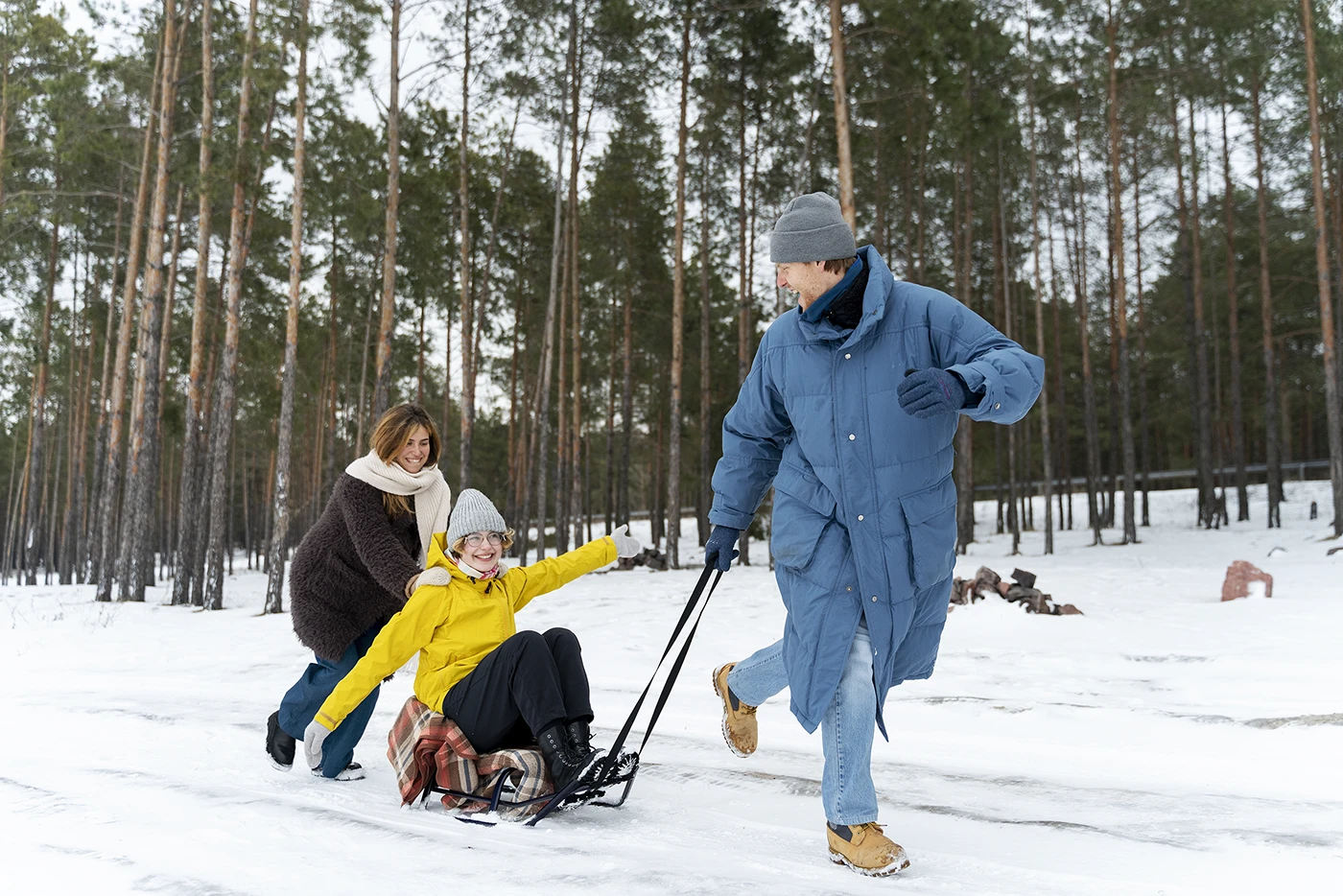
Winter invites people outdoors in a way no other season does. Skating rinks fill up, sledding hills stay busy until dusk and spontaneous snowball fights break out on front lawns. It all looks effortless from a distance, yet many of the injuries we treat at Blair Chiropractic & Massage Therapy begin during these casual moments of winter fun. Muscles tighten faster in the cold, reaction time changes and people tend to push “just a little harder” when the activity feels playful instead of athletic.
Understanding the most common winter injuries – including the typical injuries from winter we see year after year – helps families stay active without the setback of lingering pain. And like most things in cold weather, it’s easier to prepare than to fix after the fact. Cold surfaces, unpredictable traction and sudden bursts of movement create a perfect setup for strains and sprains, even in generally healthy people. When you add bulky winter clothing and reduced visibility, the body has even less time to react safely.
These small factors compound quickly, which explains why a simple slip can turn into something that needs real attention. Knowing how and why these injuries happen is the first step toward preventing them.
Why Winter Activities Lead to More Injuries Than Expected
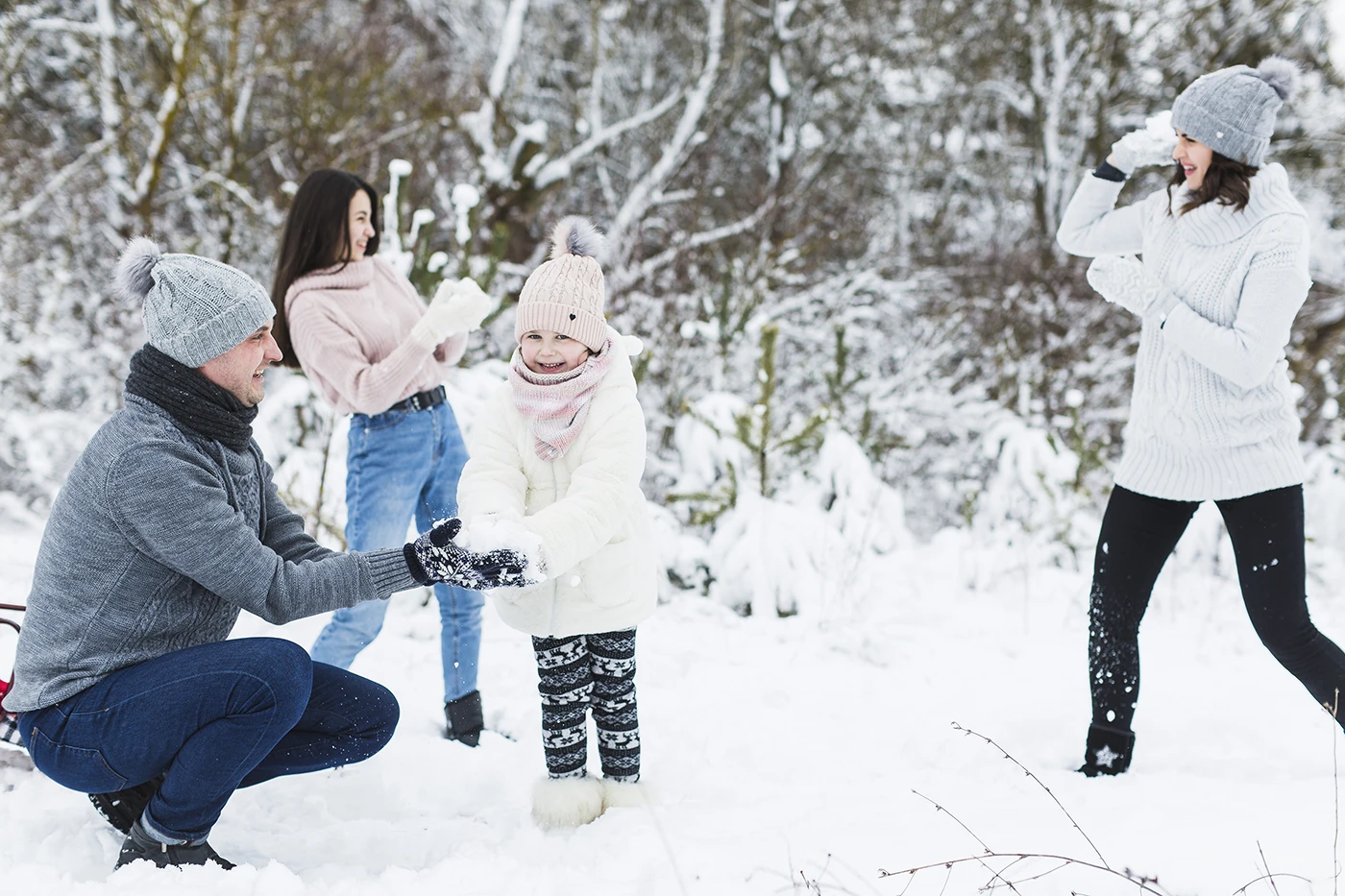
Winter play often mixes excitement with unpredictable conditions and that combination stresses the body in ways people rarely consider. Snow-covered surfaces hide uneven patches, ice changes friction from one step to the next and bulky winter clothing limits natural movement more than most realize. Even simple activities like pulling a sled or tossing snowballs create quick movements that strain cold tissues. In our clinic, we consistently see more sprains, muscle pulls and joint irritations during December and January than almost any other time of year.
Cold temperatures reduce blood flow, which makes muscles and tendons less responsive and far more vulnerable to sudden force. A fall on ice also delivers more impact than a comparable fall on dry ground, largely because the body tenses up in anticipation. People often blame “slipping wrong,” but the real issue is that cold tissues simply don’t manage fast loads well. Once fatigue sets in, coordination drops and injuries follow quickly – especially during the first snowy weeks when no one is conditioned yet.
A Simple Winter Rule of Thumb
If a movement feels harder, tighter or less controlled than usual, treat it as a warning rather than an inconvenience. Cold weather exaggerates minor weaknesses and what starts as stiffness can escalate quickly if ignored. Slowing down for even a few seconds gives your body a chance to reset before the tissue becomes overloaded. This simple habit helps prevent many of the “I felt something snap” injuries we hear about every winter. It’s a small adjustment, but in cold conditions, it’s often enough to keep the situation manageable.
Common Injuries from Skating, Sledding and Snow Play
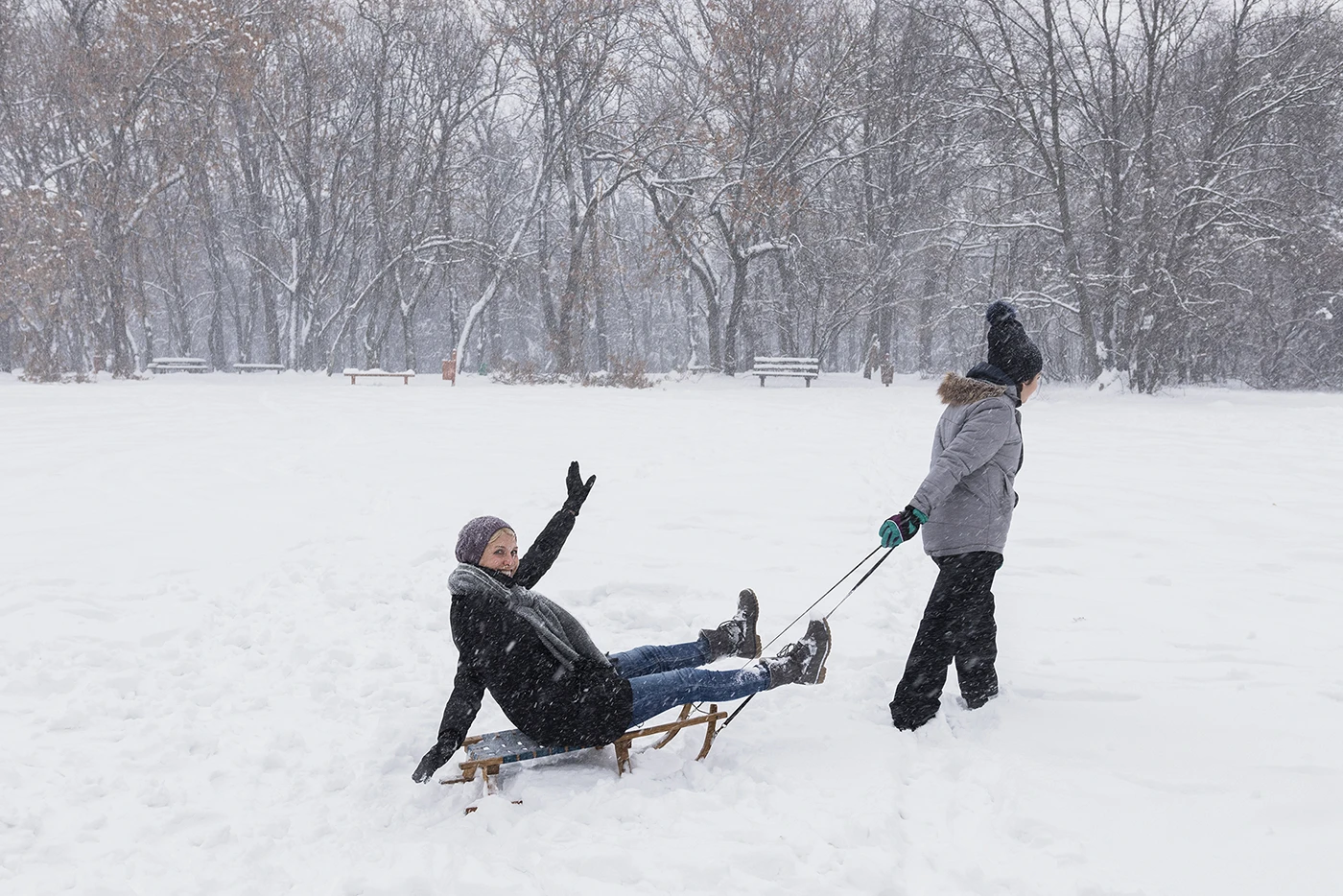
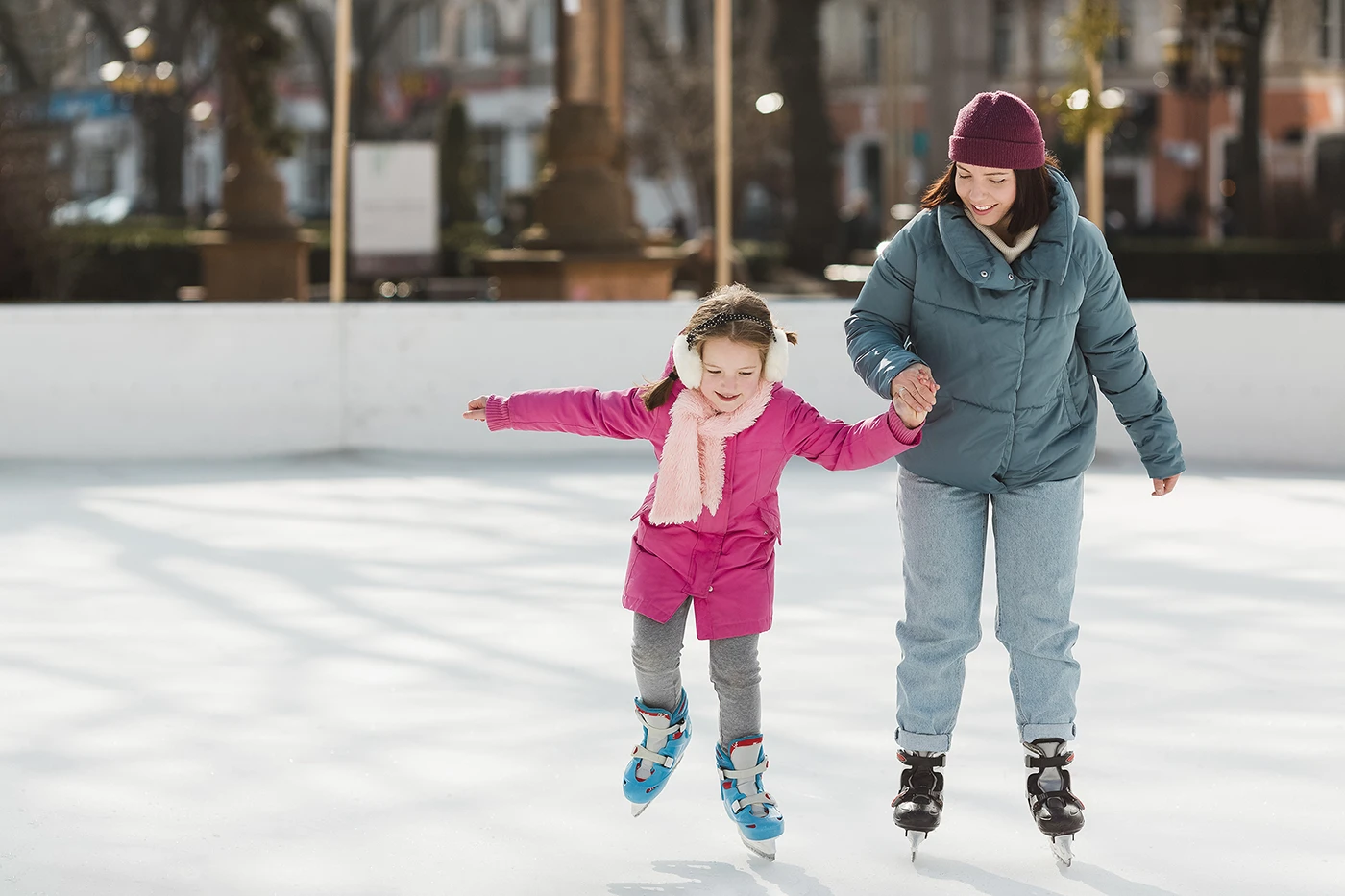
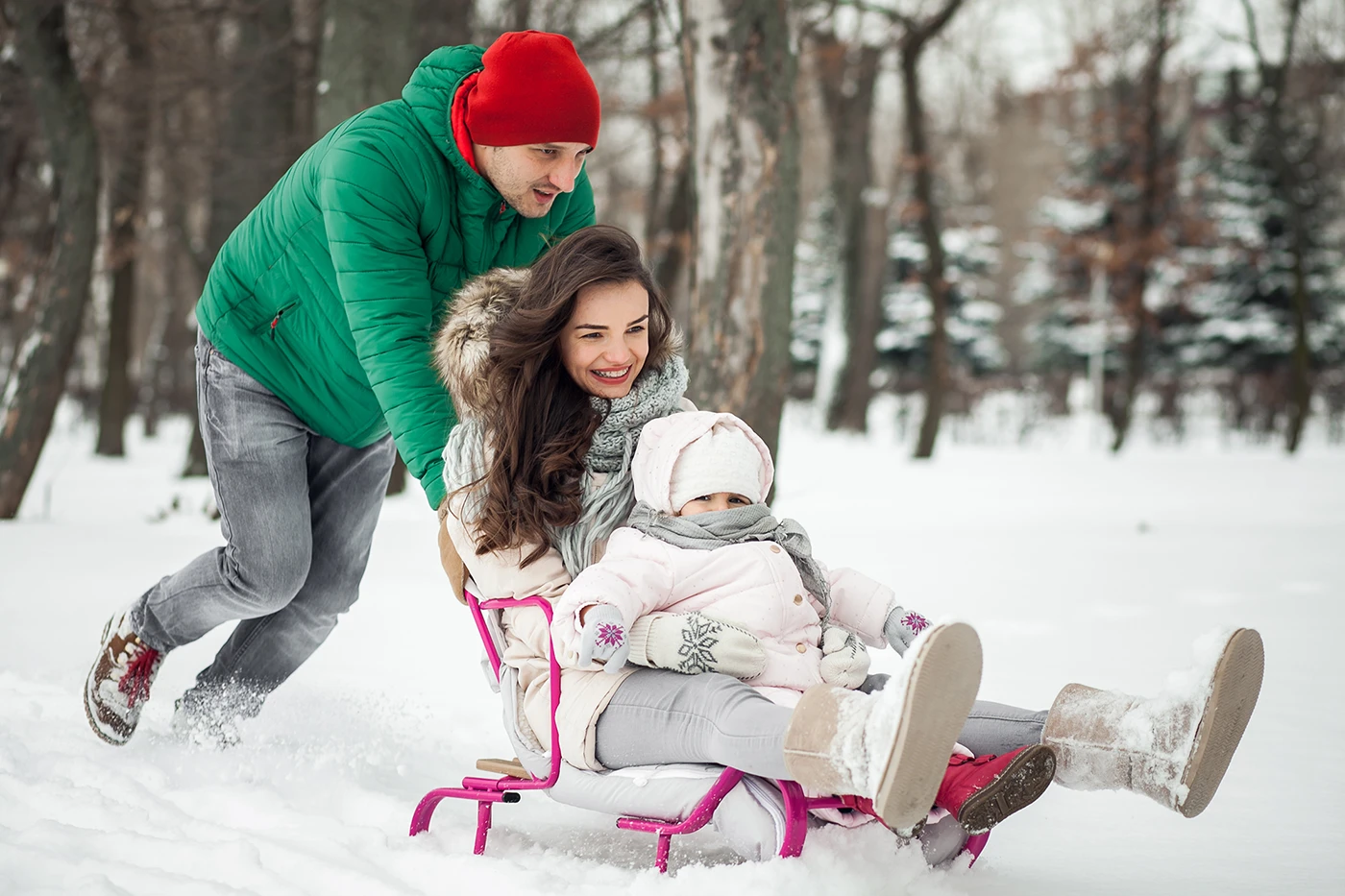
Winter activities create a wide range of forces on the body and each brings its own predictable injury patterns. Skating often leads to wrist and tailbone injuries because instinctive reactions rarely match the speed of the fall. Sledding strains the lower back during uphill pulls and compresses the spine during hard landings. Even playful snowball fights can trigger shoulder or low-back irritation when people twist quickly or react to uneven surfaces. At Blair Chiropractic & Massage Therapy, we see these injuries every winter across all age groups.
The challenge is that winter fun rarely feels like exercise, so people underestimate how demanding it can be. Slips on ice compress joints faster than anyone expects and packed snow behaves differently with every step, which forces stabilizing muscles to work overtime. Cold tissues fatigue quickly, lowering reaction time and increasing the likelihood of sudden strains. When you stack these factors together – cold, uneven ground, quick movements and distracted play – the risk becomes much more understandable.
Where We See Patterns Repeat
Three patterns show up in our clinic nearly every winter: awkward landings, instinctive bracing and fast twisting motions. Each of these movements places sudden force on tissues that aren’t ready to absorb impact smoothly. We see the same mechanisms in both adults and children, which shows just how universal these patterns are. These issues often appear during the first few snowfalls when people are eager to get outside but haven’t yet adapted to moving in cold conditions. Because they repeat so consistently, we use them to guide prevention tips that actually make a measurable difference.
How to Heal Winter Injuries Safely and Effectively
Early response plays a major role in how well a winter injury recovers. Cold conditions delay the full onset of inflammation, so many people feel only mild discomfort during the activity but experience significant stiffness later that evening. Continuing to play or finish the task often adds stress to tissue that already absorbed too much force. The best first step is to pause, reduce further strain and allow the area to settle before layering on any additional activity. When the body has a moment to calm, targeted care becomes substantially more effective.
At Blair Chiropractic & Massage Therapy, we look beyond the injury to understand the mechanics that contributed to it. Limited balance on ice, weak stabilizing muscles, abrupt rotational movements or poor mobility in adjacent joints often set the stage. Chiropractic adjustments restore proper joint motion, helping the injured area move without catching or guarding, while massage therapy addresses surrounding tension that builds after a fall. When these approaches work together, healing typically progresses faster and more predictably.
A More Strategic Healing Approach
Recovering from winter injuries isn’t just about resting sore areas – it’s about knowing what your body needs at each phase of healing. Gentle mobility exercises keep joints from stiffening overnight and applying heat at the right time improves circulation without stressing irritated tissues. We also teach controlled strengthening exercises that rebuild stability in the areas that took the impact. This combination helps tissues recover more evenly instead of leaving weak points that could cause setbacks later. Patients who follow a structured plan usually return to activity with more confidence and fewer lingering issues.
Preventing Injuries During Winter Fun and Sports
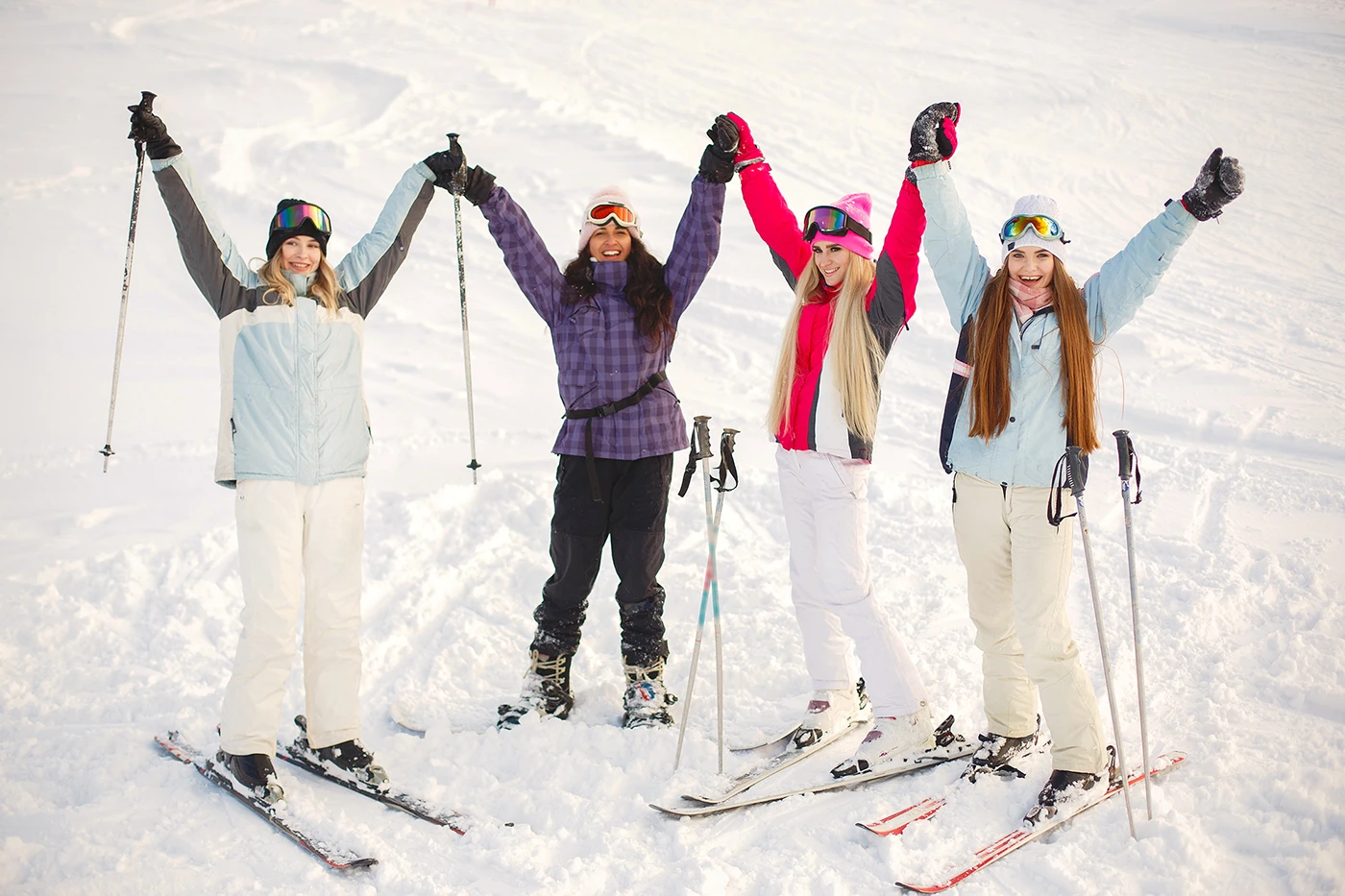
Prevention doesn’t mean eliminating winter fun – it means giving your body enough preparation to handle unpredictable terrain and sudden movements. A brief warm-up is far more valuable in cold weather than most people realize, even if it only lasts a minute or two. Light marches, hip mobility movements and shoulder activation warm tissues enough to respond more efficiently. Good footwear with reliable tread reduces slipping risk dramatically and gloves that allow proper finger movement improve reaction time when bracing during a fall.
Fatigue also arrives faster in the cold, which means injuries often happen when people push just a little past their comfort zone. Taking short breaks keeps movement quality high and reduces the risk of sloppy mechanics that lead to sprains and strains. Kids especially benefit from pacing, because excitement tends to override awareness when they’re having fun. Even small adjustments – warming up, choosing the right gear and slowing down occasionally – create a meaningful shift in injury risk during winter activities.
A Small Adjustment with Big Impact
Learning how to fall safely may sound overly simple, but it dramatically reduces wrist, shoulder and upper-back injuries. Tucking the chin helps protect the neck and keeping the elbows close prevents the common instinct to reach out with straight arms. Landing on the forearm instead of the wrist distributes force more safely across a larger area. Kids pick up these habits quickly and adults benefit just as much once they practice intentionally. This tiny shift often turns a potentially painful fall into a harmless slip.
How Blair Chiropractic & Massage Therapy Supports Your Recovery
When winter fun ends with an unexpected injury, early care helps restore mobility and reduce lingering stiffness. Chiropractic adjustments improve joint function, massage therapy relieves protective muscle tension and targeted rehab restores strength in the areas that absorbed the impact. Many patients notice smoother motion within the first few sessions, though deeper healing continues for several days as tissues adapt. We guide you through each phase so the recovery process feels organized rather than uncertain or rushed.
Our team also evaluates the underlying mechanics that contributed to the injury – everything from limited ankle mobility to weak hips or restricted thoracic rotation. Addressing these issues minimizes the chance of repeat injuries during the rest of the winter season. Whether the problem started from a fall on the ice, a hard sledding landing or a quick twist during play, Blair Chiropractic & Massage Therapy is committed to helping you move comfortably again.
If you’re experiencing sharp pain, persistent stiffness, swelling or reduced movement after winter activity, contact us today so we can assess your injury and guide your next steps with confidence and clarity.
 Call/Text Us
 WhatsApp Us
 Visit Us