 265 St. Vincent St,


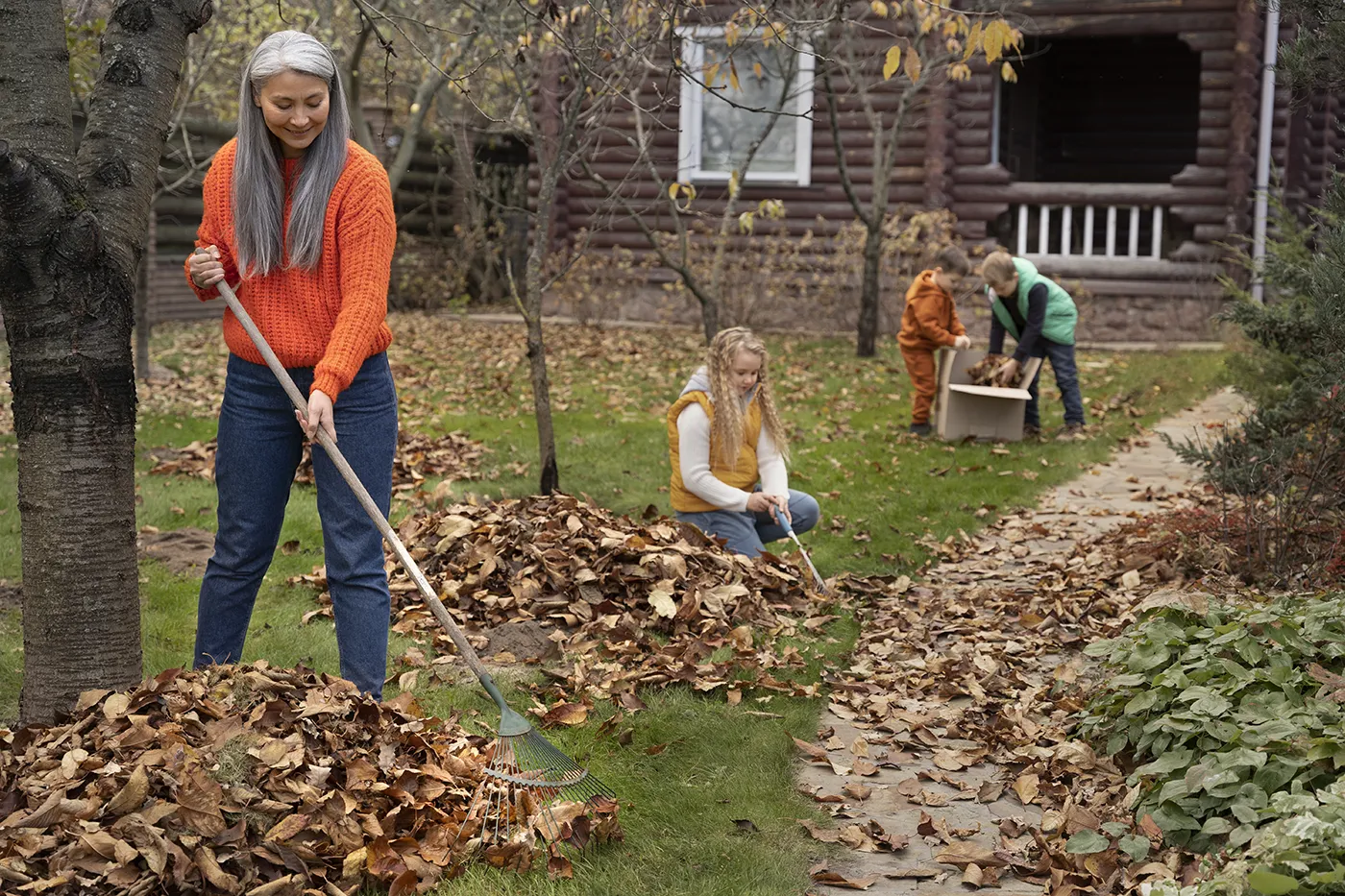
Every fall, the same ritual begins. Leaves pile up, temperatures drop and we grab the rake to reclaim our yards before winter sets in. It seems harmless enough – until a few hours later, when your back feels tight and your shoulders start to ache.
At Blair Chiropractic & Massage Therapy, we see it every season – patients walking in with sore hips, stiff shoulders or aching elbows after a “quick” afternoon of leaf cleanup. What looks like light exercise often turns into a full-body workout, especially if your muscles and joints aren’t ready for it. These are some of the most common seasonal strain injuries we treat each fall – the result of repetitive movements, poor posture and overworked muscles.
Let’s take a closer look at why fall cleanup is tougher than it seems, what kinds of injuries it can cause and how you can protect your body (and still end up with a clean yard).
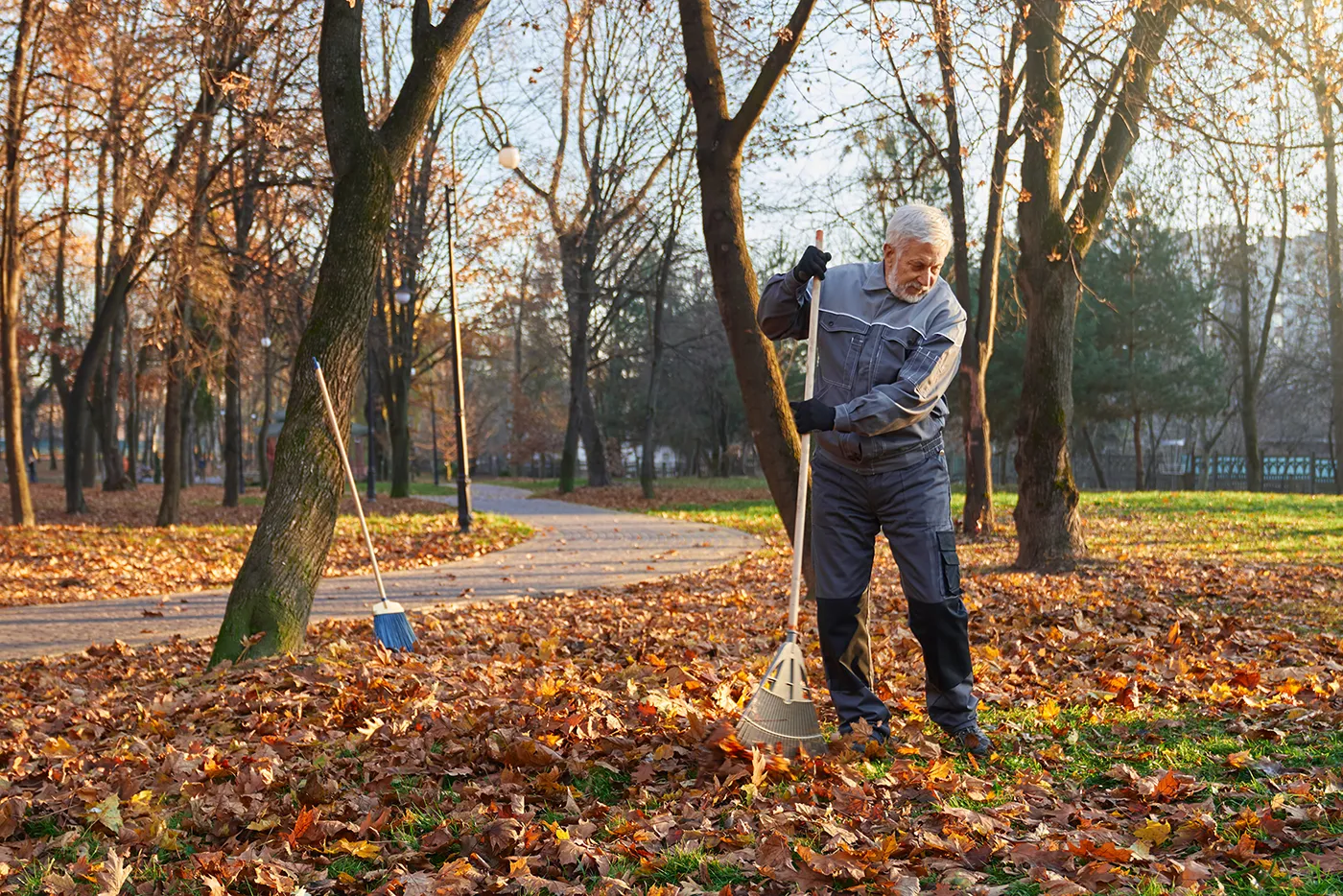
Why Fall Yard Work Can Be Hard on Your Body
Raking leaves looks deceptively simple – until you realize how many repetitive motions it actually involves. You’re twisting, bending, pulling, lifting and carrying weight again and again. The movement feels light at first, but the repetition builds stress where you least expect it – your lower back, shoulders, hips and elbows.
By mid-October, we see a noticeable uptick in chiropractic visits. It’s no coincidence. Cooler weather tightens muscles, the ground becomes uneven and slippery and many people dive into cleanup after months of being less active outdoors. The combination is a recipe for seasonal strain injuries.
Even small mistakes – like using the wrong rake size, standing on uneven ground or overreaching to grab that last pile – can add up quickly. Your muscles fatigue, posture shifts and the spine compensates in ways that create tension across your entire body. That’s when those subtle aches turn into lingering raking leaves injuries that don’t fade overnight.
If your body isn’t conditioned for this type of work, even an hour of yard cleanup can feel like an unplanned workout. But the strain isn’t inevitable – understanding what causes it is the first step to preventing it.
The Hidden Strain of Leaf Raking
Here’s what really happens when you spend an afternoon raking. Each time you twist at the waist to gather a pile or lift a heavy bag of leaves, you put rotational pressure on the spine and hips. Those muscles aren’t designed for hundreds of identical motions in a row.
Add in the reach of the rake – which pulls your shoulders forward – and you’ve got a setup for shoulder pain and elbow strain. It’s a slow build-up, not a single sharp injury. That’s what makes it tricky. You feel fine during the work, but the stiffness and pain set in the next day. And here’s the kicker – most of these issues don’t come from “doing too much.” They come from doing one motion too many times, in the wrong position.

Common Injuries from Raking and Garden Cleanout
Every fall, chiropractors across Ontario see the same set of complaints – the kind that sneak up after hours of bending and hauling. What starts as simple fall cleanup often leads to seasonal strain injuries that affect multiple joints at once.
The repetitive motions of raking, twisting and lifting can quietly overwork muscles that haven’t been conditioned for that kind of effort. Many people underestimate how much force is transferred through the shoulders and hips when they swing a rake or pull a heavy bag of leaves. Even mild stiffness after a weekend of yard work is your body’s way of signaling early stress.
Left unaddressed, these strains can evolve into more serious problems – chronic shoulder pain, inflammation around the elbow joint or misalignment in the hips and lower back. That’s where proactive chiropractic care becomes essential – it not only relieves existing discomfort but also prevents small irritations from turning into long-term pain.
Shoulder and Elbow Strain
Improper raking technique is one of the biggest culprits. When you grip the rake too tightly, overextend your reach or pull with too much force, the tension runs straight into your shoulder and elbow joints. Over time, that leads to inflammation in the rotator cuff or forearm tendons – what some call “gardener’s elbow.” You might feel a dull ache when lifting your arm, weakness when gripping or a sharp twinge when you twist your wrist. If ignored, it can snowball into chronic tendonitis.
Hip and Lower Back Pain
Now let’s talk about the other half of the body. Those long raking sessions and heavy leaf bags can strain your lower back and hips fast. Prolonged bending compresses the discs in your spine and tightens the muscles that stabilize your pelvis. Add in twisting to toss leaves or drag a tarp and the irritation compounds. We often hear patients describe it as a “deep ache” that worsens when standing or walking the next morning. This kind of hip pain and lower back discomfort is a classic sign of cumulative stress rather than a single injury – and it’s exactly where chiropractic care can make a difference.
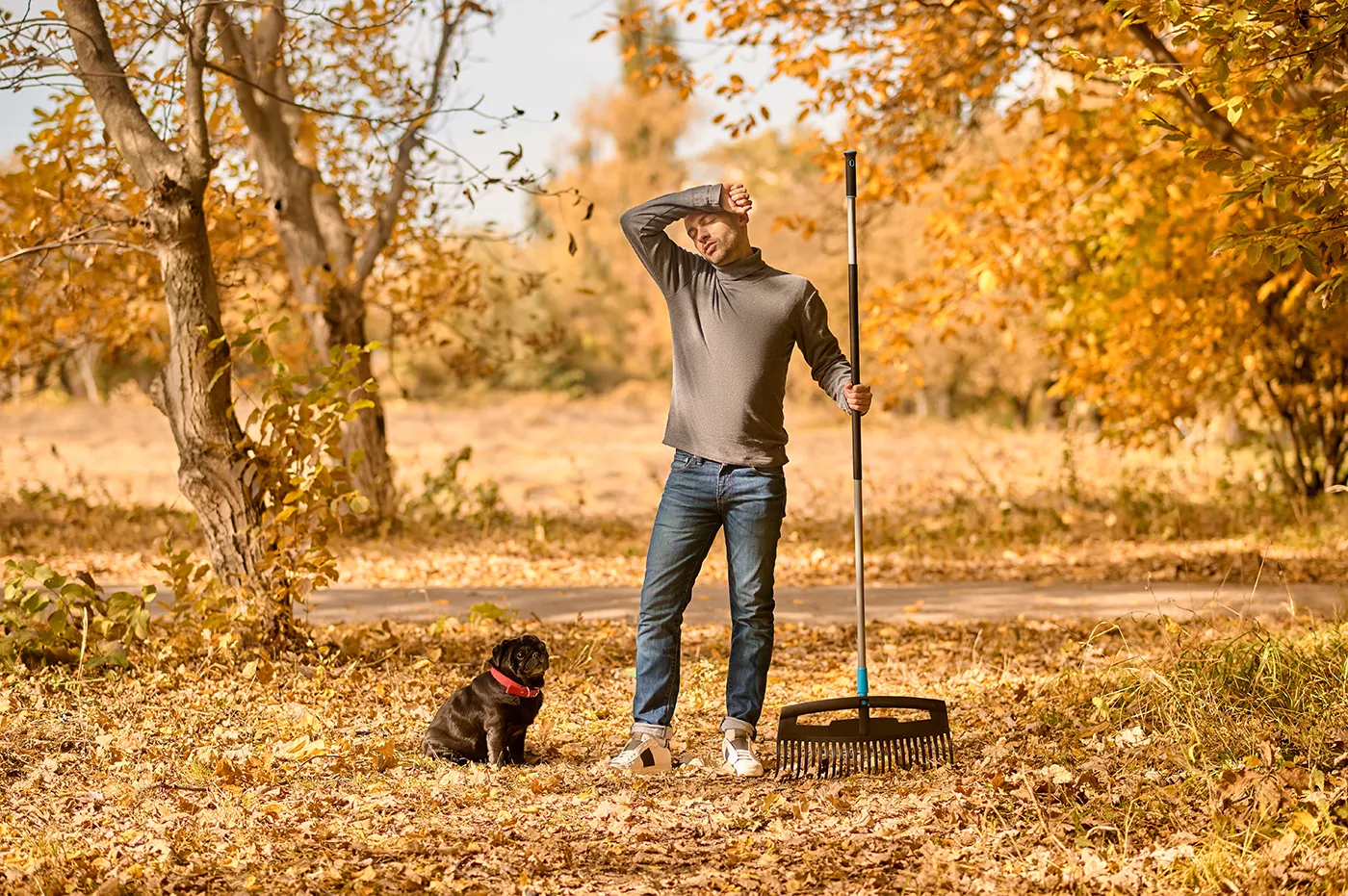
How to Rake Leaves Without Hurting Your Joints
Here’s the good news – you don’t have to fear fall cleanup. You just need a smarter approach. With the right posture, pacing and preparation, you can get through the season ache-free. Take it as you would a light gym session – warm up, keep your form and know when to stop.
- Switch sides often. Don’t rake for twenty minutes with the same lead arm. Alternate every few minutes to balance the load on your shoulders and back.
- Bend with your knees, not your waist. Treat it like a mini squat each time you pick up debris.
- Use the right tool. A lightweight rake with a comfortable grip saves your elbows and wrists.
- Take micro-breaks. Ten minutes of work, one or two minutes to shake it out. It sounds small, but your spine will thank you.
Proper Body Mechanics and Stretching Tips
Start with a short warm-up – just like before a workout. Shoulder rolls, gentle torso twists and hip circles help loosen joints and boost blood flow. Afterward, stretch your hamstrings, glutes and shoulders for a few minutes. If you notice tightness or soreness later that evening, don’t push through it. A warm bath, light movement or gentle massage can prevent it from locking in overnight. Yes, it takes a few extra minutes. But it’s far cheaper than dealing with two weeks of back pain.
When Pain Persists – How Chiropractic Care Can Help
Sometimes, even with the best habits, the strain sneaks through. That’s where chiropractic care comes in. Our approach at Blair Chiropractic & Massage Therapy focuses on addressing the source of pain – not just the symptoms. After a fall cleanup, people often show misalignments in the lower back, pelvis or upper spine from repetitive twisting or poor posture.
These small shifts can cause nerve irritation, muscle spasms and reduced mobility. Chiropractic adjustments help restore natural movement in those joints, improving how your body distributes effort when you bend, lift or twist. Massage therapy complements this perfectly – easing tension in the muscles around the affected area, improving circulation and speeding recovery.
Gentle, Targeted Treatment for Seasonal Strain
No two injuries are the same, especially when they come from seasonal work. Our clinicians tailor treatments to your specific pattern of strain. For example:
- If your hip alignment is off, we might combine adjustments with soft tissue release and targeted stretching.
- For shoulder pain and elbow tension, we focus on restoring joint mobility and retraining muscle balance.
In short, we help your body move the way it’s supposed to – so everyday tasks don’t feel like heavy lifting.

Preventing Future Fall Cleanup Injuries
Think of prevention as maintenance, not repair. Keeping your body resilient all year makes each seasonal challenge easier. Here’s what helps most of our patients stay pain-free long after the leaves are gone:
- Stay consistent with light exercise. Walking, yoga or resistance bands build core and hip stability – your natural back protection.
- Stretch regularly. Even five minutes a day keeps major joints flexible enough to handle awkward yard work positions.
- Listen early, not late. If you feel a twinge or tightness, it’s a sign to rest, not push harder.
- Get checked proactively. A quick chiropractic assessment once or twice a season helps spot and correct imbalances before they turn into full injuries.
Because honestly, pain doesn’t arrive overnight – it’s the small ignored signals that pile up like fallen leaves.
Stay Pain-Free This Fall with Blair Chiropractic
You don’t have to dread fall cleanup season. With a few smart habits and professional support, it’s completely possible to keep your yard – and your body – in good shape. If you’re dealing with lingering soreness or suspect you’ve joined the ranks of those with raking leaves injuries, don’t wait it out. Visit Blair Chiropractic & Massage Therapy for a personalized assessment. Our team will help relieve your hip pain, shoulder strain or elbow discomfort and give you tools to prevent it from returning.
Our approach to chiropractic care is hands-on and restorative – we focus on improving mobility, reducing inflammation and helping your body recover faster from seasonal strain. Whether it’s tension from repetitive raking or stiffness from bending and lifting, we’ll create a plan that fits your needs and schedule.
So before another weekend of yard work sneaks up on you, take a moment to check in with your body. A short visit today can prevent weeks of discomfort later. Because fall should feel crisp and refreshing – not painful. Book your appointment with Blair Chiropractic & Massage Therapy and enjoy the season feeling strong, flexible and pain-free.
 Call/Text Us
 WhatsApp Us
 Visit Us